Building a Camera Obscura for Litebeem
Three weeks ago, Litebeem sent us a brief that was more manifesto than spec sheet.
They didn't want branded tote bags. They didn't want engraved water bottles or custom apparel. They wanted something that would sit on a media-maker's desk long after Sundance Film Festival ended and still mean something.
The ask: a gift that honored the origins of cinema. Something functional. Something you could hold and understand immediately or turn over in your hands for an hour and keep discovering.
They sent one line that stuck: Light enters, stories emerge.
That's when we knew what to build.
The Camera Obscura
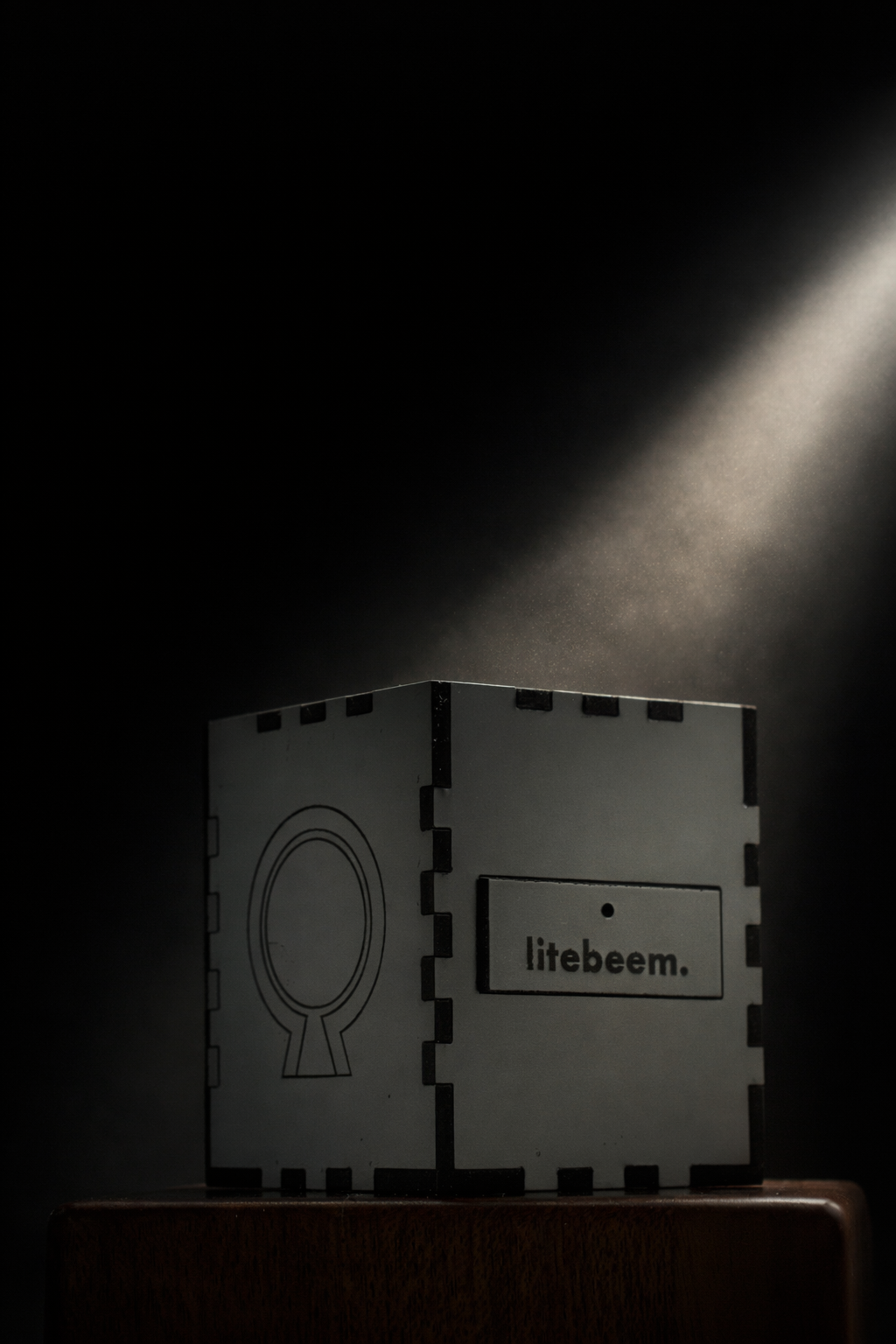
The camera obscura is one of the earliest tools of image-making. A dark box. A single pinhole. Light enters, flips upside down, and projects whatever's outside onto the opposite wall. No lens. No battery. No screen.
It's how Leonardo sketched landscapes. How astronomers tracked solar eclipses. How painters learned perspective before perspective had rules.
And it's the ancestor of every camera, every projector, every frame of film ever shot.
From Concept to Build
Litebeem sent us their vision through Claude first—a rendering, clean and theoretical. A starting point. Our job was to translate it through prototypes, iteration, and handwork into something real.
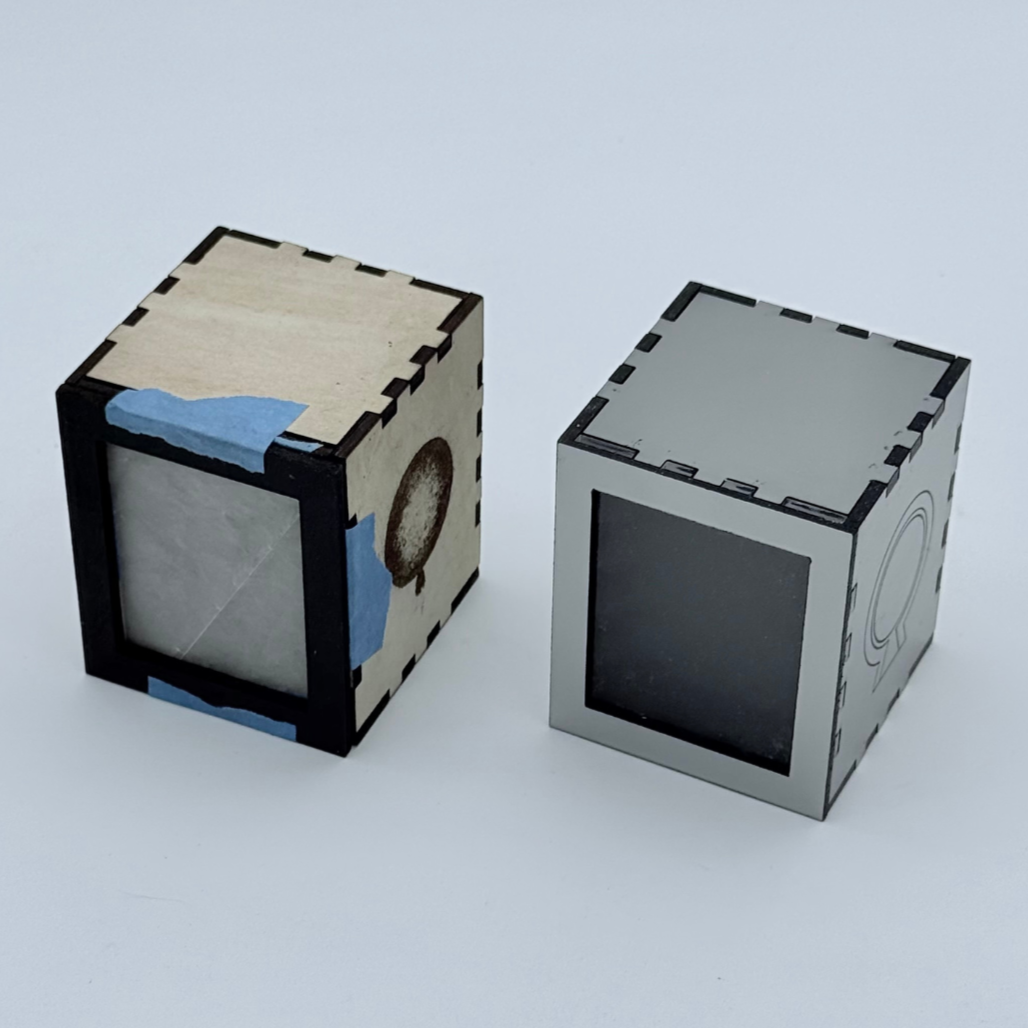
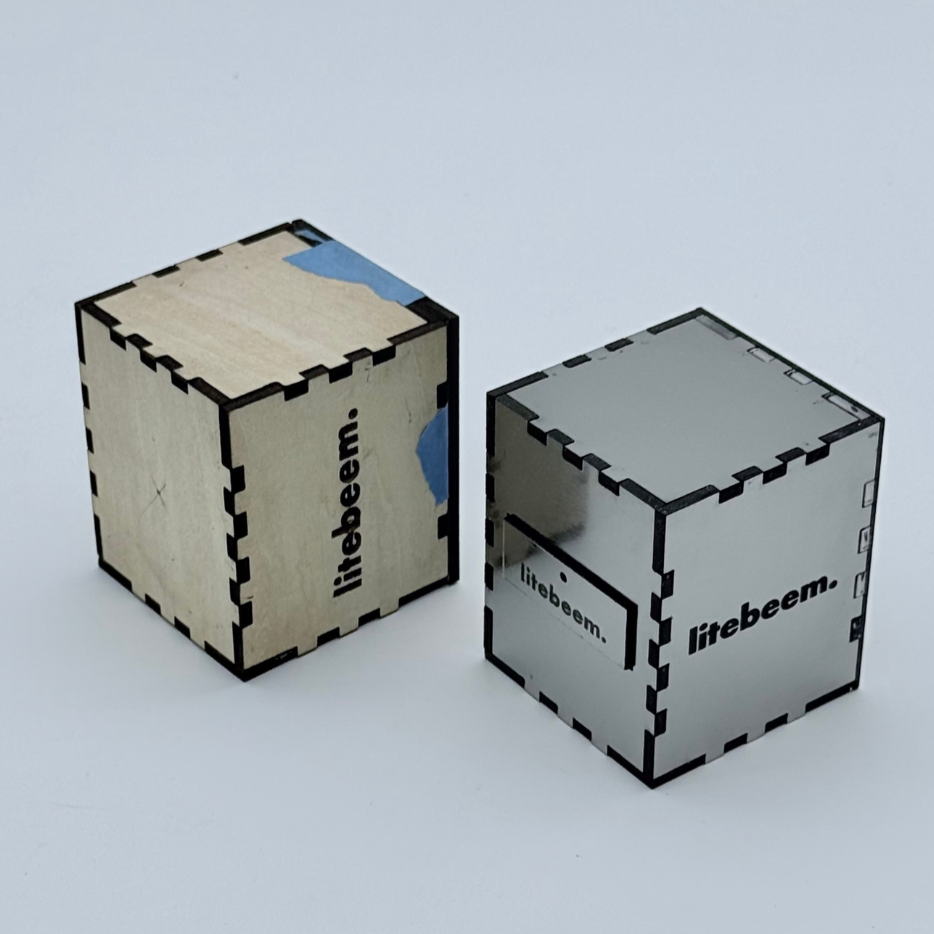
We built the first prototype in wood and trace paper. It didn't work.
A camera obscura needs total darkness inside—any stray light washes out the projected image. Wood meant painting or lining the interior black. And the engraving they wanted? On wood it reads rustic, not forward facing.
We pivoted to acrylic.
Black acrylic keeps the interior dark without coatings. Laser engraving cuts crisp and clean. And the material itself reads modern.

What Happens Next
In three days, Litebeem heads to the 2026 Sundance Film Festival. They'll give these out during the festival. Not at a booth. Not in a swag bag. In person. To collaborators, directors, cinematographers—people they've worked with or want to work with.
We don't know what will happen when someone opens one. We don't know if they'll set it up in their hotel room facing the mountains, or bring it home and forget about it, or pass it to someone else who gets it more.
But we know this: it's not going in the trash on the way out of Park City.
That's the test we use for everything we make: will someone keep it?
If the answer's no, we don't build it.

Why We Took This On
This project reminded us why we don't take on work that's just about making something pretty or fast.
Litebeem could've gone to any fabricator. They could've ordered 500 units from a supplier and had them drop-shipped. Cheaper. Easier. Faster.
But they didn't want that. They wanted something that felt like it mattered. That required a conversation. That someone touched before it was boxed.
We've worked with production companies, agencies, creative studios. The best projects always start the same way: someone reaches out because they need an object to carry an idea they can't quite say out loud yet.
That's where we work best. Not when someone hands us a finished design and asks us to execute it. But when they hand us a feeling, a reference, a half-formed thought—and we figure out together what it should become.
The camera obscura wasn't in our portfolio before this. We'd never built one. But we understood what Litebeem was trying to say, and we knew how to make it real.
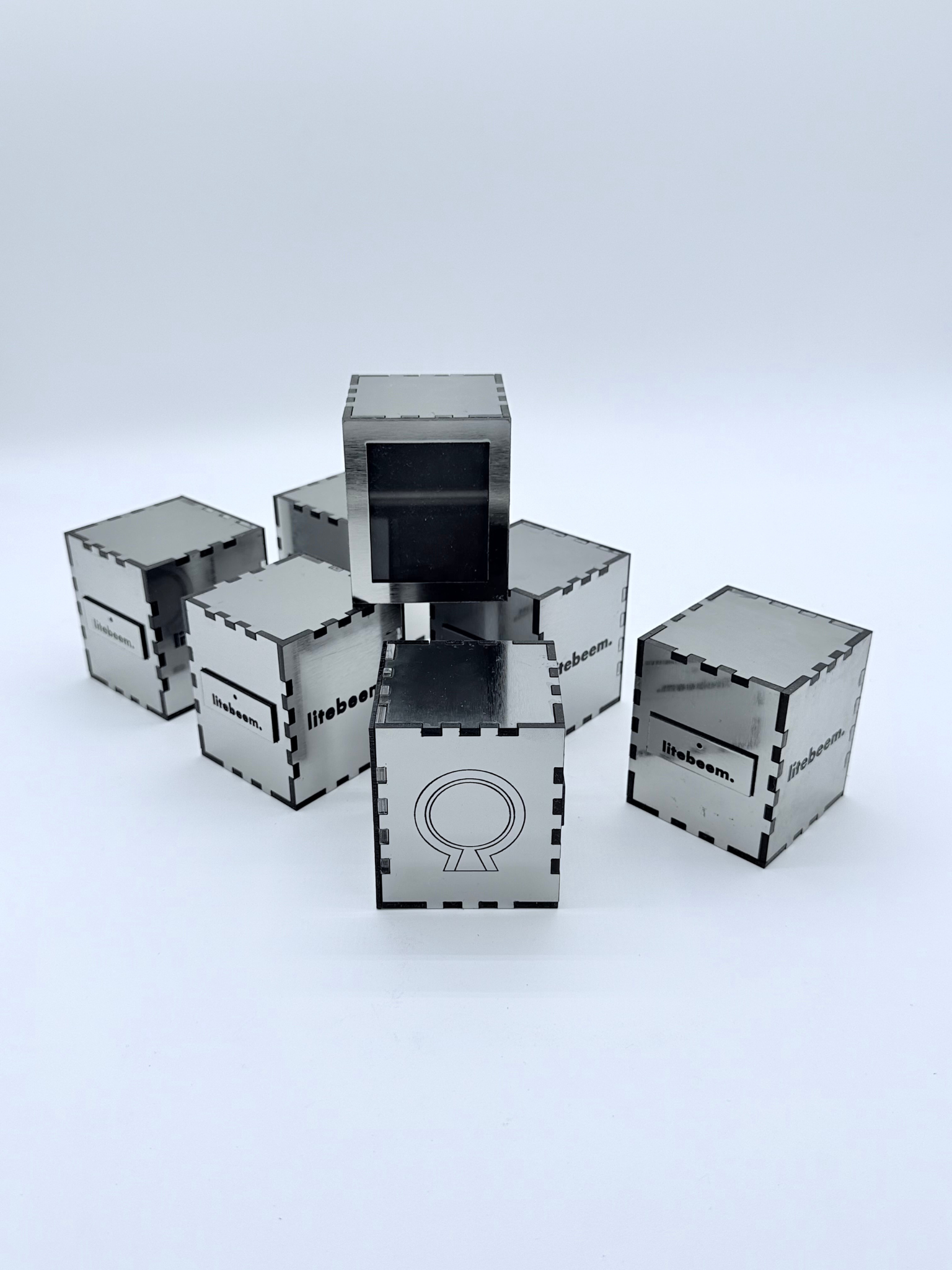
Available for Commission
If you're looking for a gift that doesn't feel like every other gift—for a client, a collaborator, someone who helped make something happen—we can help.
We work with brands, studios, and creative companies to design objects that carry weight. Things people keep. Things that mean something beyond the moment they're opened.
The camera obscura wasn't in our catalog before Litebeem reached out. Most of our best work isn't.
If you have an idea—or just a feeling about what a gift should do—let's talk.